What should I know about painting an older home in Newburgh?
More than half of Newburgh's homes were built before 1939, so older houses are the rule here rather than the exception. The city's early housing runs from Federal-style row houses of the early 1800s to Italianate and Second Empire brick townhouses of the 1850s through the 1880s and Victorian bow-front duplexes from the 1880s into the 1900s. Each style and each era of building material takes paint a little differently, so good work starts with reading the surface, seeing how it holds a coat, and choosing primer and paint that suit brick, wood, or old plaster rather than forcing one product onto everything.
When is the best time of year to paint in Newburgh?
Late spring through early fall is the friendliest stretch for painting in Newburgh, because the city runs through a hard freeze-thaw cycle from December into March, with January lows averaging around 21 degrees. That repeated freezing and thawing keeps brick and masonry walls moving, and that movement is what opens hairline cracks in old plaster inside. Exterior paint also wants steady, moderate temperatures to cure well, so scheduling outdoor work for the warmer months gives the coating its best chance to bond and last through the seasons that follow.
Do you paint in Newburgh's historic neighborhoods like Washington Heights?
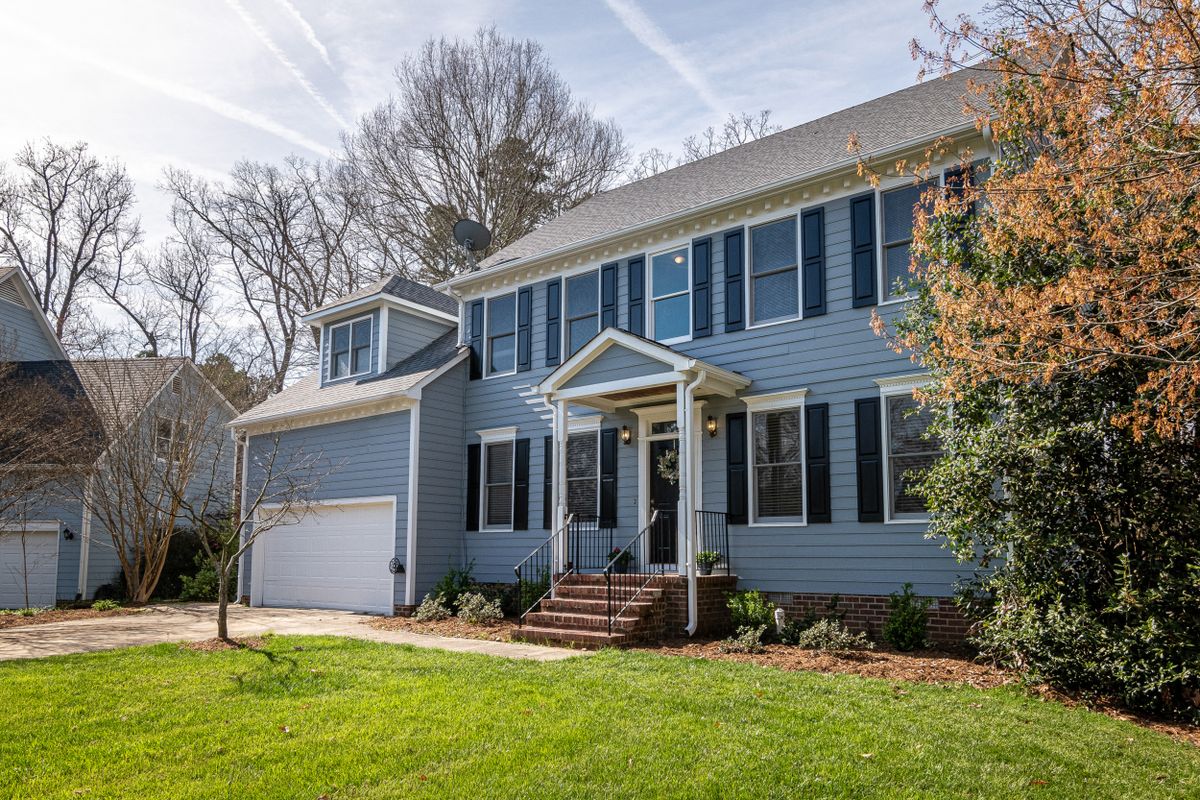
Yes, we paint throughout Newburgh's historic core, including Washington Heights, a neighborhood known for its Victorian bow-front duplexes and Italianate rowhouses. Color and finish choices matter more on a house with this much character, and good work in an old neighborhood respects the block as much as the house itself.
Can you help me choose exterior colors for my Newburgh home?
Newburgh's streets show a lot of brick, and a color can read one way on a brick wall and another on wood, so the surface matters as much as the shade itself. Color shifts with the wall it sits on and the light that reaches it, so it helps to test a sample on the actual wall before committing to the whole house. Taking that step early makes the final result easier to live with, since a color that looks right on a small chip can shift once it covers a full facade.
What kind of paint holds up best on a Newburgh house?
The best paint for a Newburgh house depends on what it's going onto, since surfaces can change from one block to the next. Masonry likes a breathable coating that lets moisture escape rather than trapping it behind the film, while bare or weathered wood needs a primer that grips before the topcoat goes on. Inside, a durable washable finish earns its keep in busy rooms. The honest answer is that surface, exposure, and how a room is used should drive the choice more than any single product.